


In the 1950s, psychologists started to notice something remarkable: computers and the human mind can be measured in very similar ways. They both process information that can be measured in “bits”, which I covered in last week’s post on Claude Shannon.
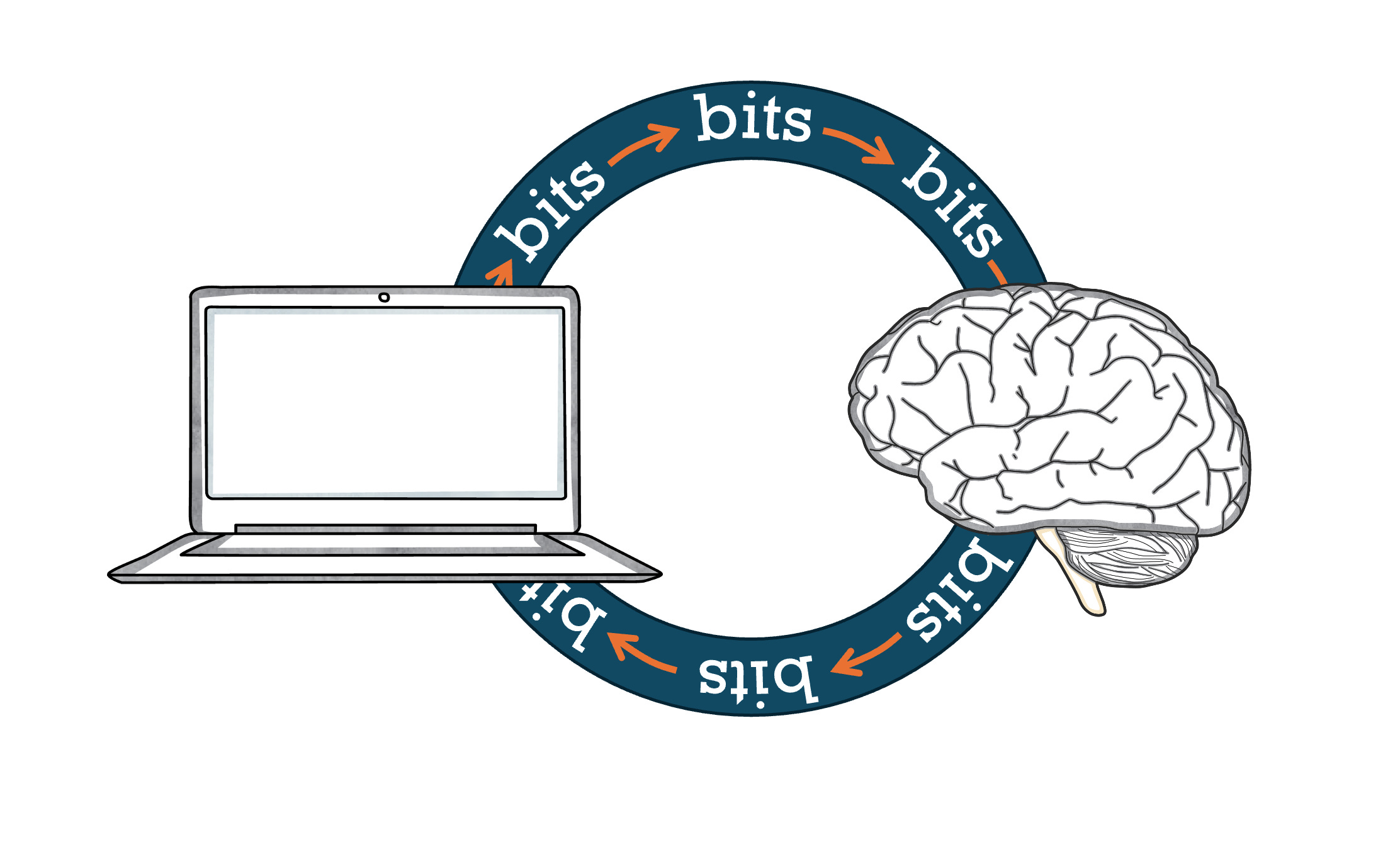
The post also included an example of an experiment by William Hick that set the stage:
Hick found something fascinating. Each time the number of lights doubled, reaction time increased by a precise amount. This held across people and situations. He had discovered something mathematical about the human brain. The reaction times were precise, predictable, and observable.
The pivotal phrase: “He discovered something mathematical about the human brain.”
This was the beginning of a revolution built on the idea that computers could be useful in understanding the invisible nature of the mind.
The Roots of the Cognitive Revolution
During WWII, a mathematician named Norbert Wiener was working on a new anti-aircraft weapon that could predict how to hit a moving target.
He noticed that the human mind constantly makes predictions and corrections without effort. Imagine shooting an arrow at a bullseye. We have a goal, take an action, observe the outcome, and correct if needed. This loop constantly runs in the back of our minds.
In designing his weapon, he noticed something remarkable: The machine needed to use the same loop: goal, action, outcome, correction. It didn’t matter if it was a machine or a human brain; the process was the same, and both used the same information.
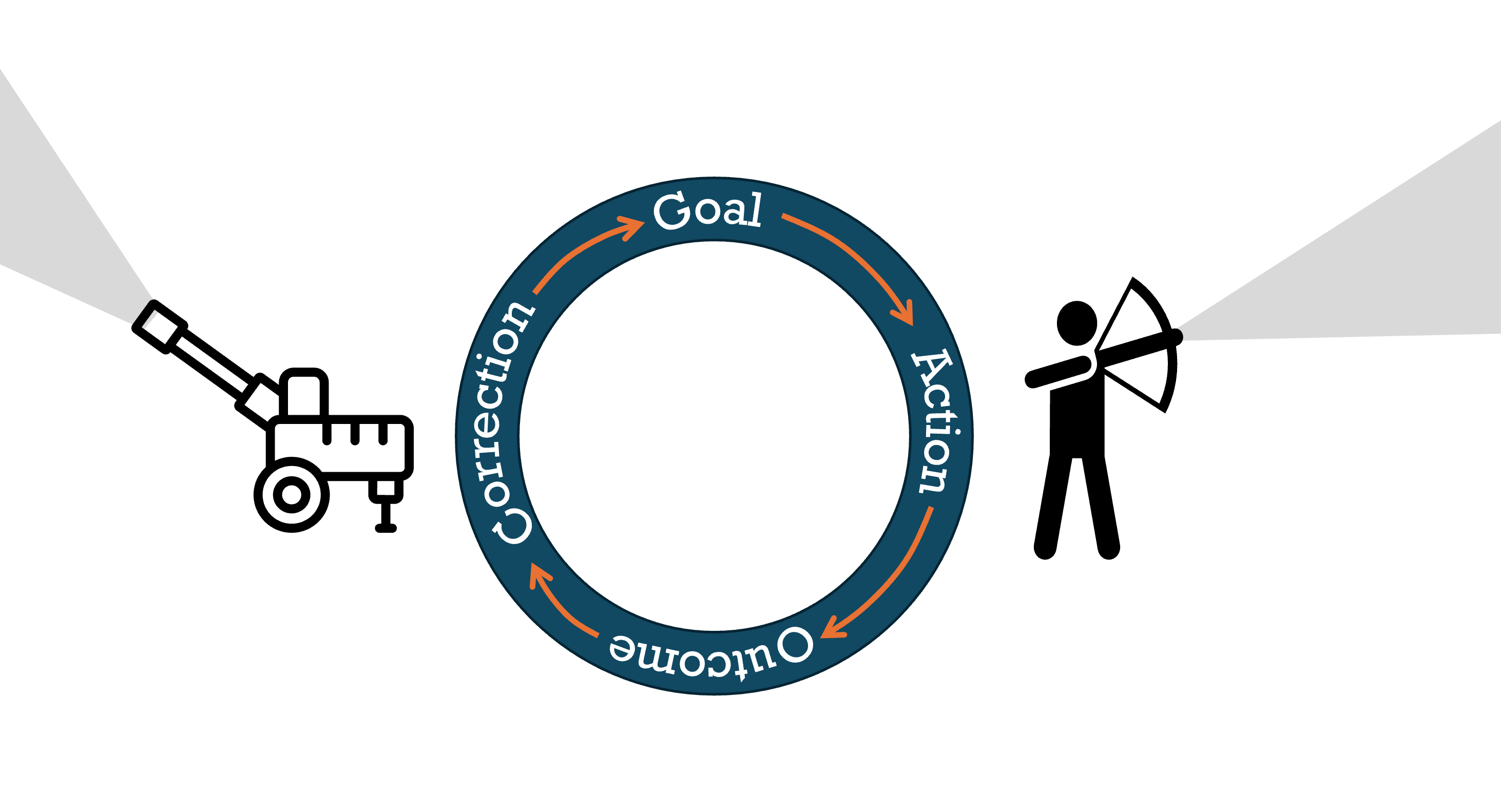
This was the opening salvo in a revolution. Wiener was among the first to propose that natural processes of the mind (perception, prediction, etc.) could be represented via mathematics.
However, an element was missing: measurement. He had no way to quantify the theory. A few years later, Claude Shannon filled this gap with “bits” and helped create what became cognitive science.
A Powerful New Metaphor
As computers emerged in the 1950s, Wiener’s ideas and Shannon’s bits suddenly seemed deeply relevant to psychology. A powerful new metaphor was born: mind-as-computer.
In the 1950s, researchers Allen Newell and Herbert Simon were among the first to create computer programs that could solve problems using human-like reasoning. Their Logic Theorist in 1956 proved mathematical theorems that were thought to require human thought.
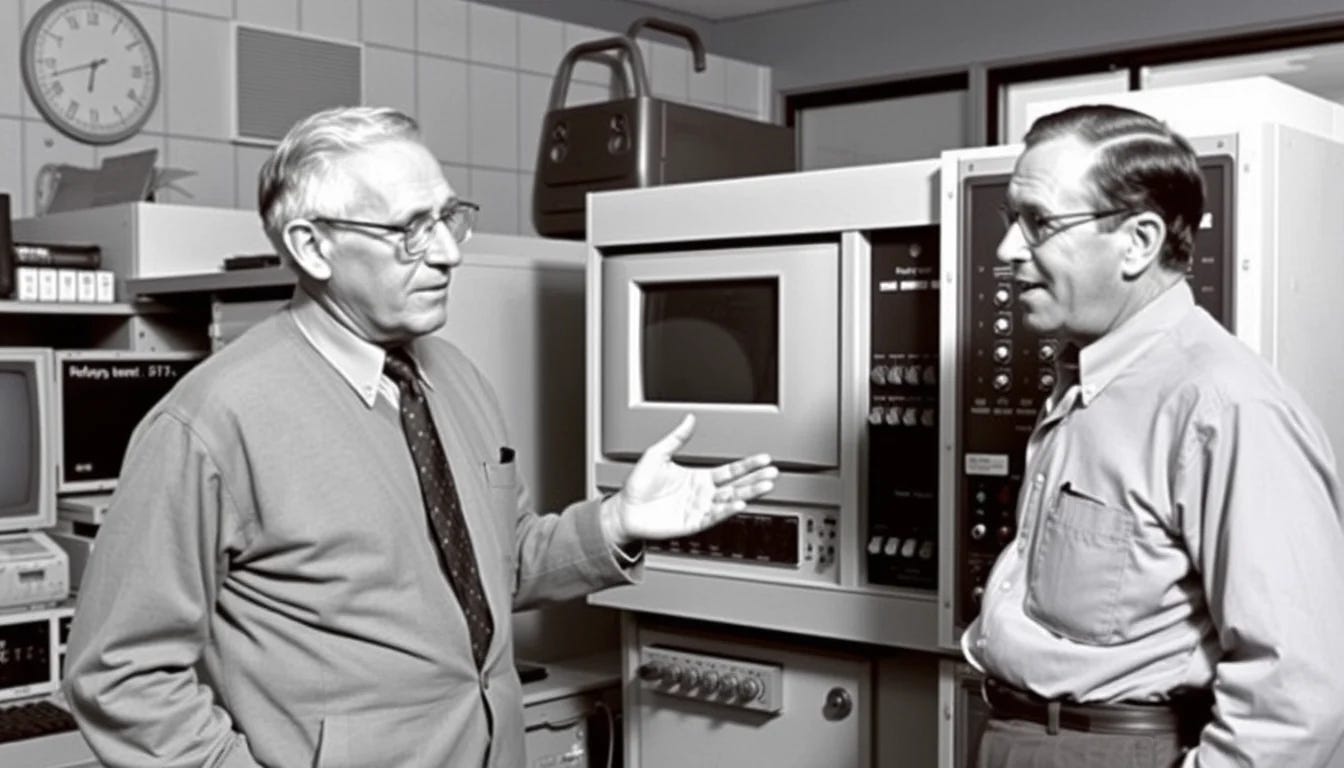
For the first time, a computer program was shown to mimic the invisible processes of the mind.
This work established a fundamentally new way to think about, test, and understand the mind using the rigor of mathematics and computer programming. The idea wasn’t to understand why the brain works as it does, but how to observe and measure what it does.
This new direction was seen as a threat to the dominant researchers in psychology.
The Cognitive Revolution
Like all revolutions, there are winners and losers. The Cognitive Revolution was no different.
Before the 1950s, psychology was dominated by the behaviorists. These researchers saw the mind as a “black box” that could not be studied scientifically because it was impossible to observe and measure things like emotion, memory, or understanding.
So, they focused on what could be measured: behaviors. Think of Pavlov’s dogs: ringing a bell (input) caused the dogs to salivate (output). The dog’s emotions or motivations weren’t relevant because they couldn’t be measured.
This started to change in the 1950s. Thinkers like Noam Chomsky challenged the power and authority of the behaviorists, like B. F. Skinner, by illustrating their limitations. At about the same time, the mind-as-computer metaphor arrived and showed that it made the mind testable and measurable.
This was a turning point in psychology. Behaviorism lost its dominance as cognitive science rapidly gained influence.
Hick’s reaction times, Wiener’s loop, Shannon’s bits, and Simon and Newell’s computer jump-started a powerful new direction.
Behaviorism remains a vital part of psychology, and its findings are still relevant. However, the prestige and respect of behaviorism declined and was replaced by researchers who showed the mind was not a black box, but something that could be studied with scientific rigor, math, and computers.
Mind as Computer
As it turns out, there are a lot of valid comparisons between the two. Consider the human versions of inputs, outputs, memory, storage, processing, etc.
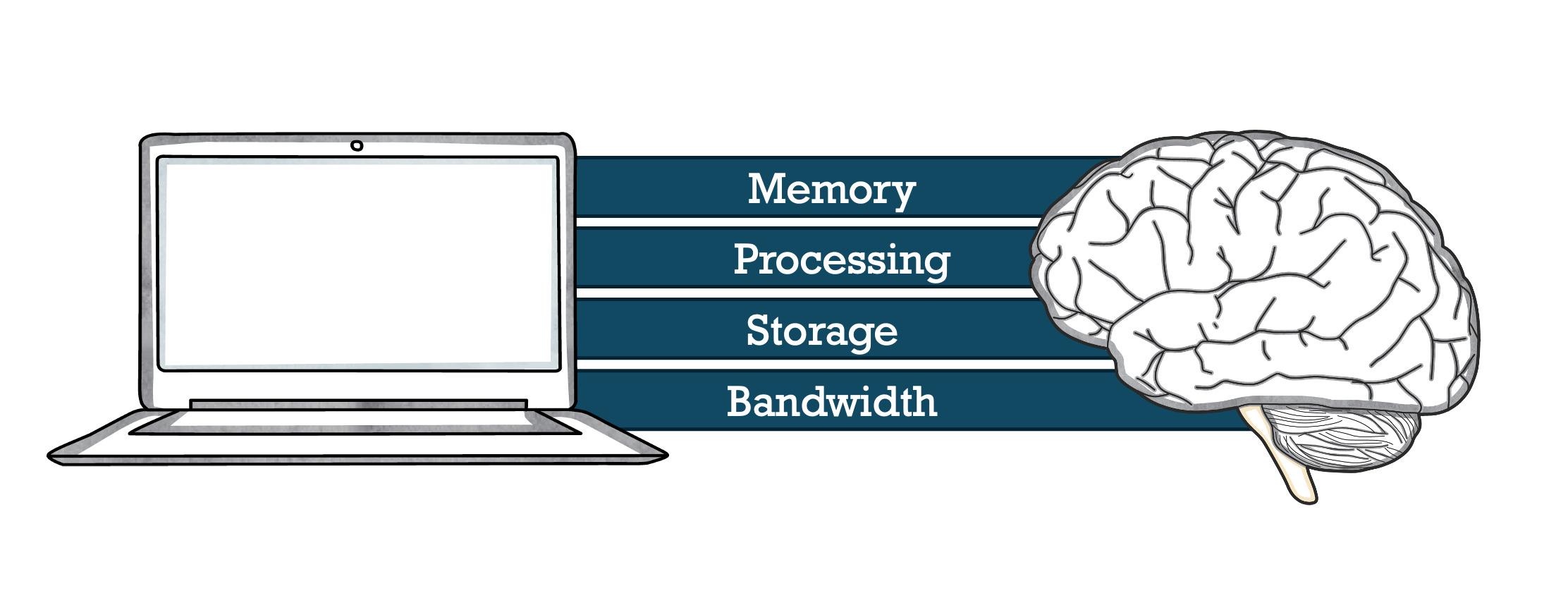
The mind-as-computer metaphor didn’t claim the brain literally was a computer. It gave scientists a new way to model, test, and measure invisible mental processes.
As we’ll see in the next post, the mind-as-computer metaphor is one of the most enduring in all of science. What started in the 1950s continues today as researchers build and test ever more accurate and powerful models for understanding the mind by building computer programs that mimic it.
Up Next
Next week, we'll look closely at how it works, why this metaphor produced some of the most trusted findings in cognitive science, and why it matters for how we understand explanation today.
If You Enjoyed This Post
Please consider hitting the ♡ button below (it helps others find this post)
I’d love to hear from you. Leave a comment, and we can chat.
Know someone who would enjoy this? This post is public, so feel free to share.
It’s funny to think (and a useful reminder!) that terms like working memory, processing ability, feedback loops - which we now regularly apply to the mind - are all just another model… but a model based on something we invented!
A great beginning to thinking about the AI revolution/possibilities and how we interact.