


We’ve followed the story of Olivia with a single conclusion: she followed the doctor’s advice and changed her eating habits. She remembered to buy and eat foods with high fiber.
It wasn’t enough for her to understand. She needed to remember what she learned.
The questions driving the next posts: How do we remember? What can increase our chances of remembering something specific?
Encoding and Memory
Throughout this series, one idea should be clear: when information reaches our mind, it’s not stored as-is. We construct a version of it that includes what we know and our past experiences. This means that our memories are not replicas, but representations of what we experienced. This is why two people can experience the exact same event and remember different things. It also explains why memories are sometimes inaccurate.
This is called encoding. We encode information by transforming an experience into a representation that can become a memory. It often happens without our awareness or intention. Encoding is an essential part of how memories form.
The question becomes: why do some experiences become lasting memories while others are forgotten?
The Chef and the Architect
To answer the question above, let’s imagine two people, a chef and an architect, visiting the same party. They remain in the same room, meet the same people, and eat the same food.
When asked about the party later, they recall different details. The architect enjoyed the food, but focused on the style of the trim and how it related to the room. The chef noticed the room, but remembered the glaze on the chicken and how it worked with the potatoes.
This all seems logical, but within these perspectives we can see how memories form.
Months ago, we learned about attention and its limits. We can’t pay attention to everything, so we have to be selective. But memories don’t form just because we notice something. How we interpret what we notice plays a powerful role in what we remember.
The architect’s experience with design led them to think deeply about the style of the trim. The chef's experience with similar dishes led them to think deeply about techniques and ingredients that led to the dish’s flavor.
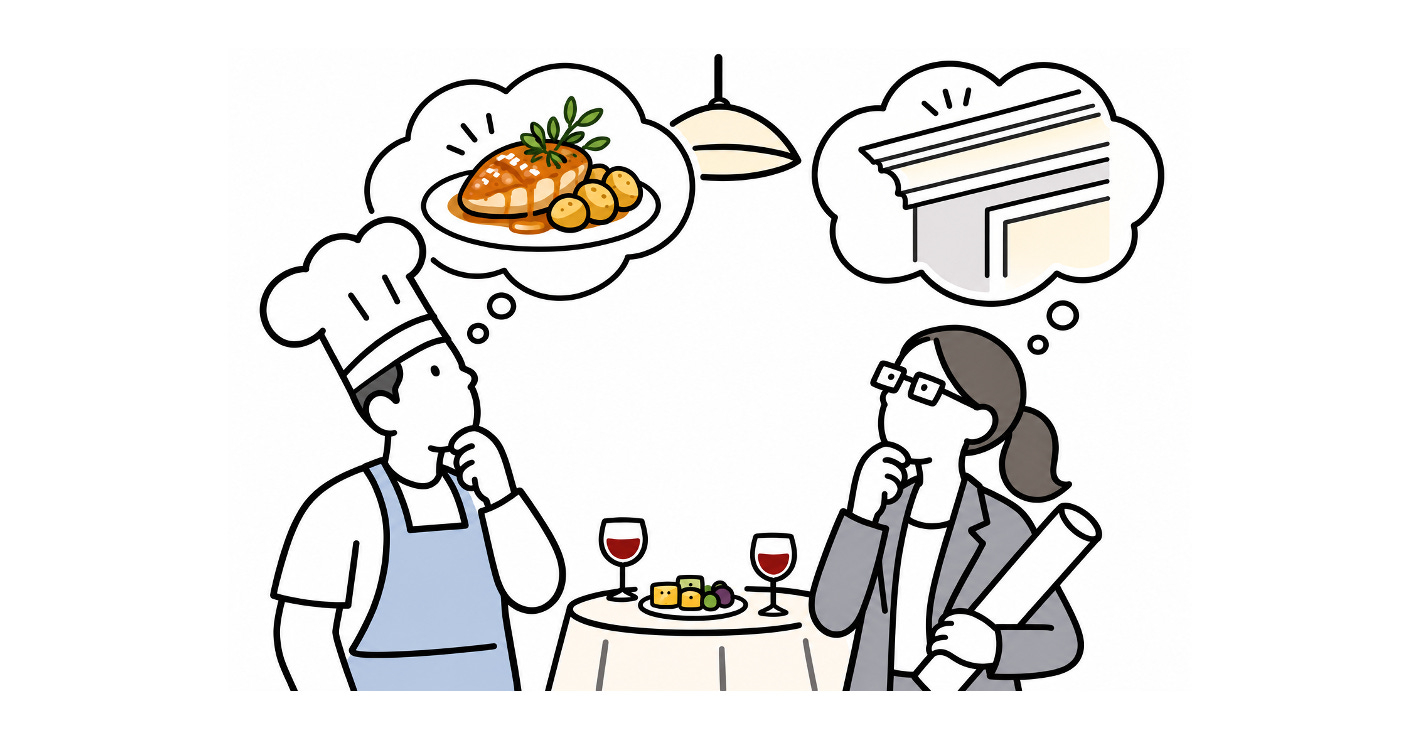
What we already know shapes how we interpret new experiences. Those personal interpretations help shape what gets encoded into memory.
How Do We Know?
In the 1960s, most researchers were interested in how memories were organized. They focused on short-term and long-term memories. That changed thanks to the work of Fergus Craik at the University of Toronto and his colleagues.
They helped establish a new framework for understanding the link between memory and the kind of processing required to create that memory. In 1972, Craik and Robert Lockhart proposed that we process information according to different depths or “levels,” and those levels influence what gets remembered.
Three familiar levels:
Structural processing (How it looks) - The physical features of the word: letters, shape, appearance
Phonetic processing (How it sounds) - How the word sounds when spoken
Semantic processing (What it means) - How the word connects with what you already know
With this idea in place, they needed a way to test it.
The Experiments
In 1975, Craik and Endel Tulving published a landmark paper reporting ten experiments on the relationship between depth of processing and memory. Their findings helped establish one of the most influential ideas in memory research.
As with many cognitive experiments, these started with a conceit. The subjects believed the researchers were studying perception and reaction speed. This helped ensure the subjects were not thinking about memory.
They placed subjects in front of a screen that showed a single word for a fraction of a second. Before the word appeared, the subjects were asked a question and used a button to indicate Yes or No.
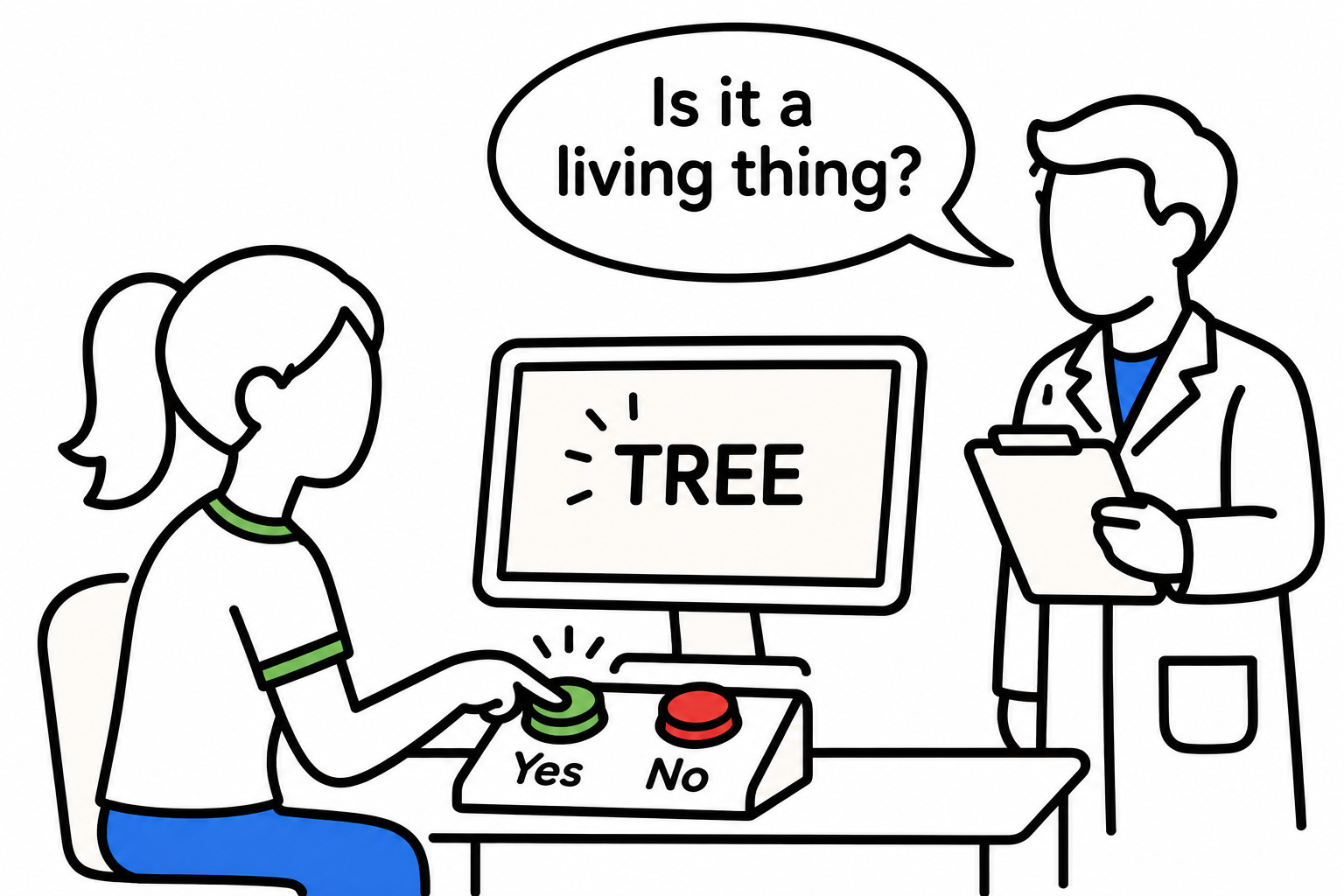
These are actual examples from the experiment:

Look closely. Can you see the different processes required? What requires deeper processing?
Once the experiments were over, the subjects were given a surprise test that had nothing to do with perception or speed, but focused on memory.
They were shown a list of words and asked what words they could recognize from the test. This was the payoff. If the subjects remembered words from one kind of processing, it could indicate that processing level and memory are linked.
Here are the same questions with processing level included:

Notice the semantic questions and think about your mental processes when answering them. You have to think about the meaning of “fish” and whether it makes sense to meet a friend on the street. When we use meaning to understand, that’s semantic processing.
The Results
The results were striking. When subjects focused on the appearance of the word (is it capitalized?), they only recognized about 15% of them. When they had to consider the word’s meaning (does “friend” fit into the sentence), recognition jumped to 81%.
The researchers found the differences to be highly statistically significant and established an enduring idea: our ability to remember is linked to how we process the information. When we have to consider meaning, we are more likely to remember.
Olivia, Chef and Architect
We can see this phenomenon at work in the examples:
Olivia had to think about the connection between cholesterol and fiber. This helped her remember at the grocery store.
The architect's background in design meant they thought about the meaning of the trim and how it related to the room. This stuck with them.
The chef’s experience with cooking helped them analyze flavor combinations and how they work together. They recalled this clearly.
The Bottom Line for Communicators
First, remember that your audience is not some kind of passive storage system. Each of them will process and remember your ideas in unique ways that include their existing knowledge.
Further, when you explain an idea, consider the kind of mental processing that is required. As an explainer, your job is not to simply make information available, but to invite the audience to make sense of it, connect it to their lives, and think about the implications. It’s this deep sort of processing that increases the chances the ideas will be remembered.
If You Enjoyed This Post
Please consider hitting the ♥️ button below (it helps others find this post)
I’d love to hear from you. Leave a comment, and we can chat.
Know someone who would enjoy this? This post is public, so feel free to share.