

The Science of Attention (Video + Text)
How does the mind select what gets our attention?

The video below is a visual explanation of the big ideas in the post below. Recommended viewing. :)
In last week’s post, we followed the story of Olivia, and I made a handful of claims about the role of attention and how the mind manages it. They include:
The mind has limits and evolved ways to deal with what we experience
We don’t passively receive information; we select and filter it
What makes it through the filter is often predictable
In the doctor’s office, Olivia was overwhelmed with distractions, internal thoughts, and advice from her doctor. And her mind reacted predictably: it selected some information for long-term memory (eat more fiber to reduce cholesterol) and forgot others (use the treadmill more).
This scenario sets up the driving question of the series: why was the cholesterol information so sticky? What can it teach us about explanation and communication?
The Power of Attention
Attention is the gatekeeper of the mind. Without it, few things can enter. By understanding the science of attention, we can predict what kinds of explanations get through the gate and possibly into long-term memory.
A Note About Science
For most of history, our thoughts, emotions, and ideas were impossible to measure or observe directly. Without this ability, it was difficult to claim that a subject like attention could be scientifically proven.
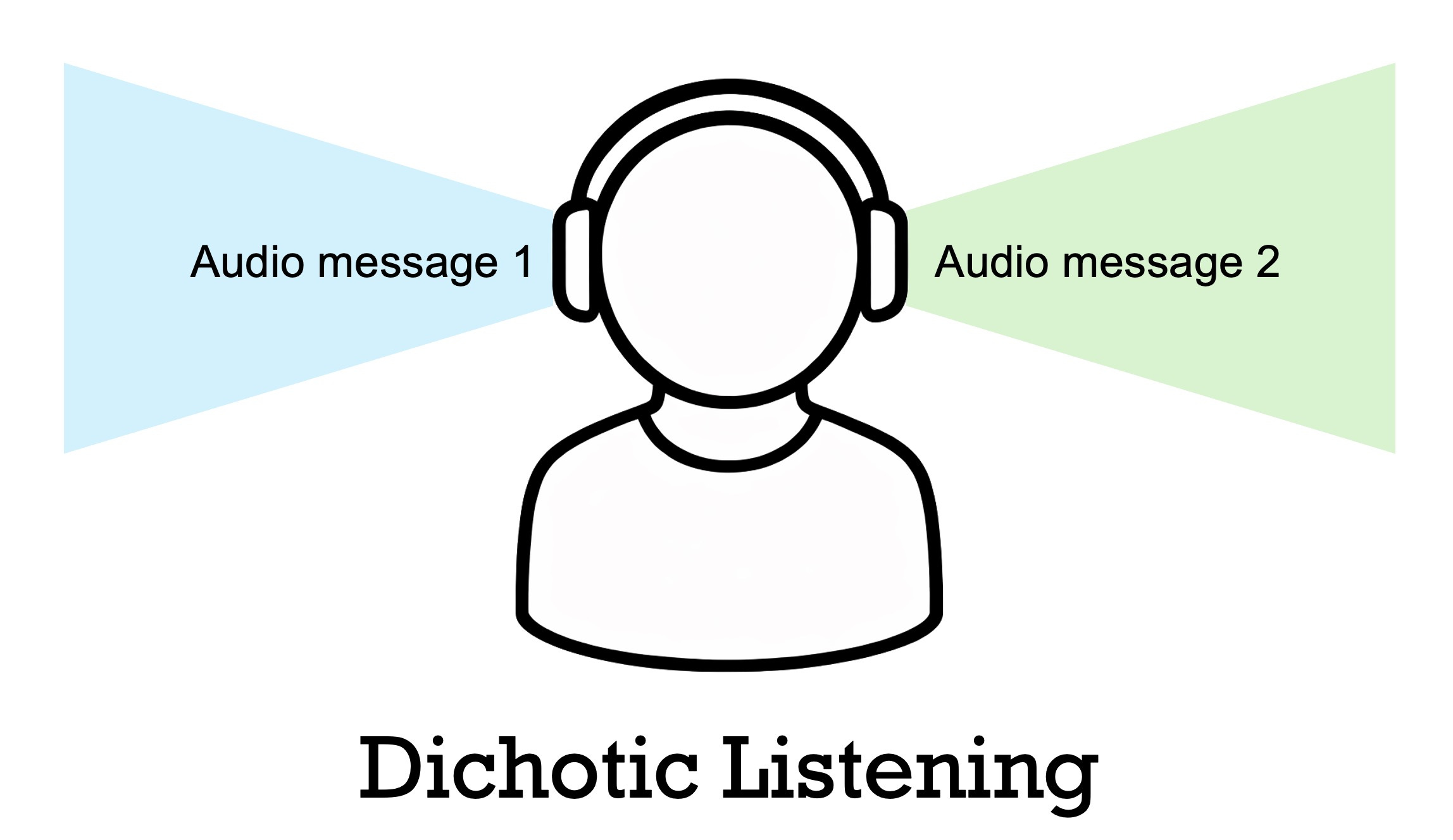
This started to change in the 1950s, when psychologists started to design new kinds of experiments. For example, they brought subjects into a lab, placed headphones over their ears, and then provided different audio in different ears. Then, they asked the subjects what they could recall from the audio.
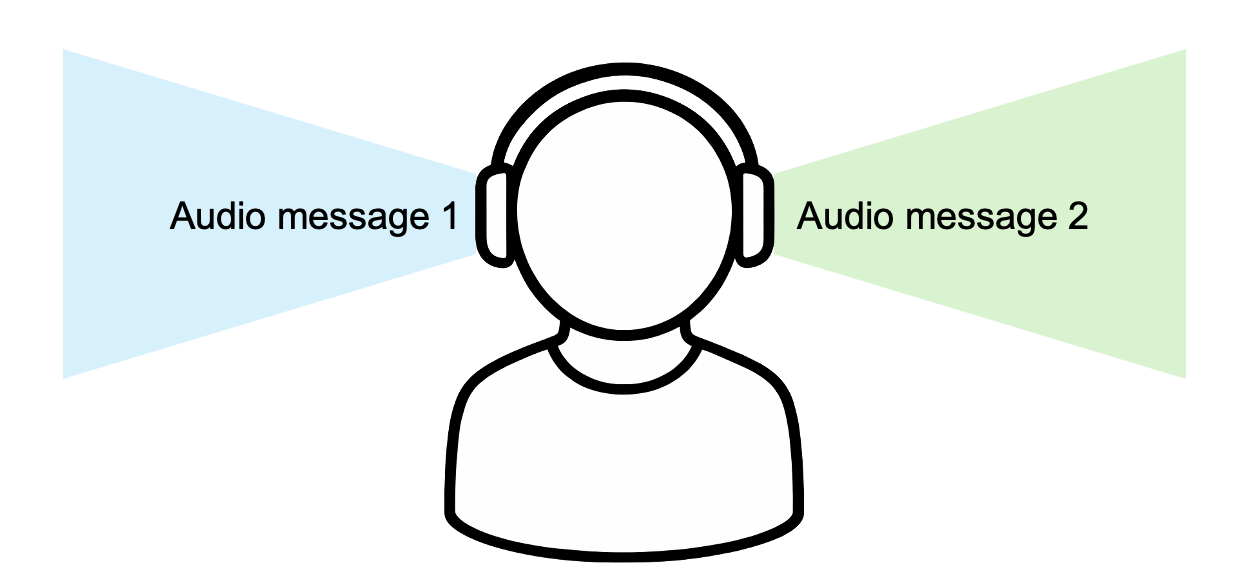
This was called “dichotic listening”, first devised by Colin Cherry, who noticed a phenomenon he called “The Cocktail Party Effect”, a reference to our innate ability to focus on one conversation among many.
Signals in the Noise
One of the most famous researchers was Donald Broadbent, a psychologist at Cambridge, who served in World War II. While serving in the Royal Air Force, he noticed something troubling. Radar and communications operators had to juggle multiple channels of information and often missed important signals in those channels. He wanted to know why.
He asked: When competing channels appear, how does the mind interpret the information? Where is attention automatically directed? Finding answers could help the RAF design more effective radar systems.
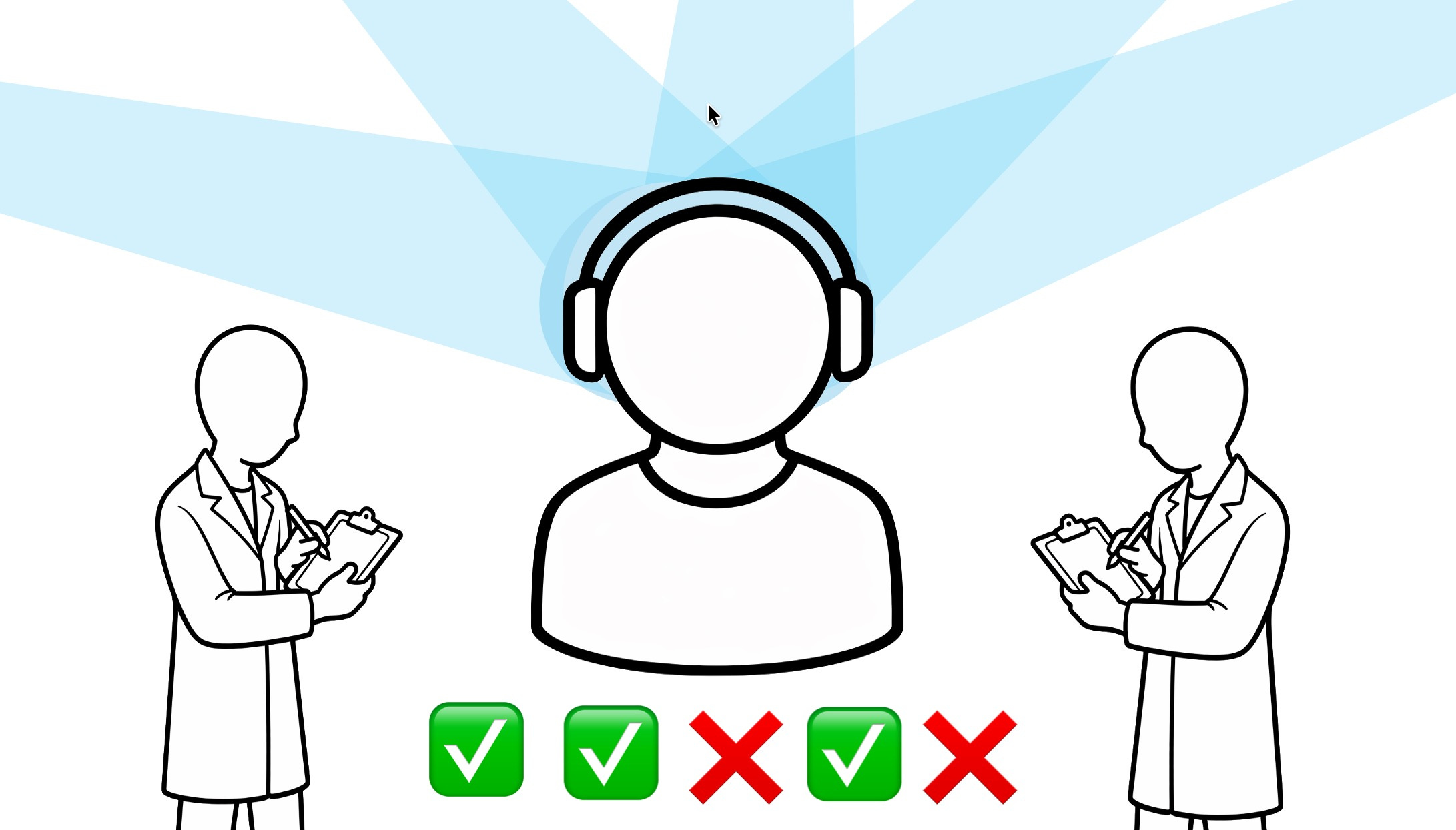
Broadbent’s Experiments
In his 1958 book, Perception and Communication, he described experiments that showed what happens when we manage multiple channels at the same time.
Broadbent placed headphones on subjects and played different audio in different ears simultaneously. For example, three digits in one ear, the different digits in the other. Then he asked the subjects to recall what they heard.
This simple setup allowed him to test and measure how the mind manages attention. By keeping one ear’s audio the same, and changing the audio in the other, he could test what subjects could recall.
Bottlenecks and Working Memory
At the time of his experiments, it was not known how the mind manages incoming information. Does it pay attention to everything equally, or does it automatically choose one channel over another?
Dichotic listening provided a strong foundation for answering this question. There were two likely outcomes:
If the mind pays attention to everything equally, the subject would recall a mixture of digits from the two channels.
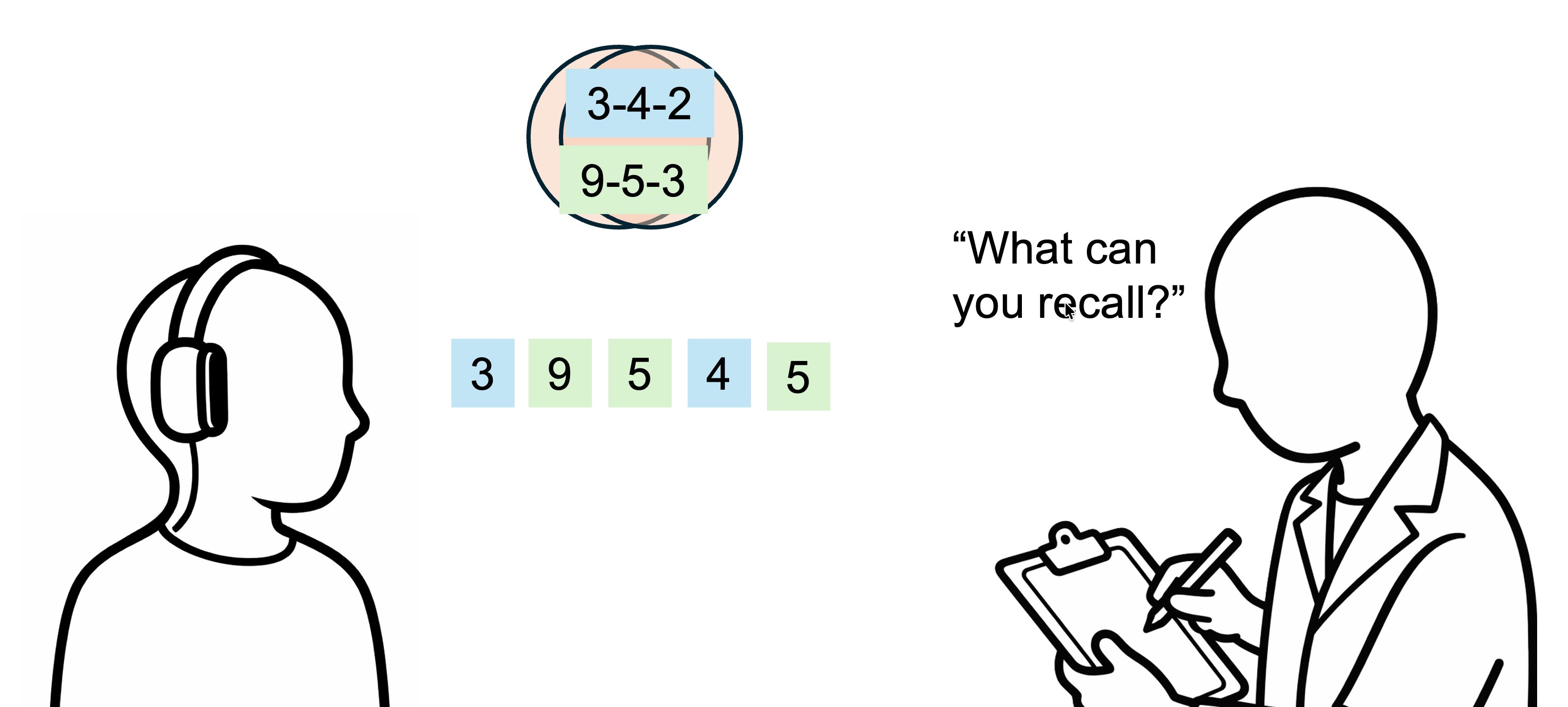
If the mind chooses one channel, then the next, they would recall them as two distinct groups.
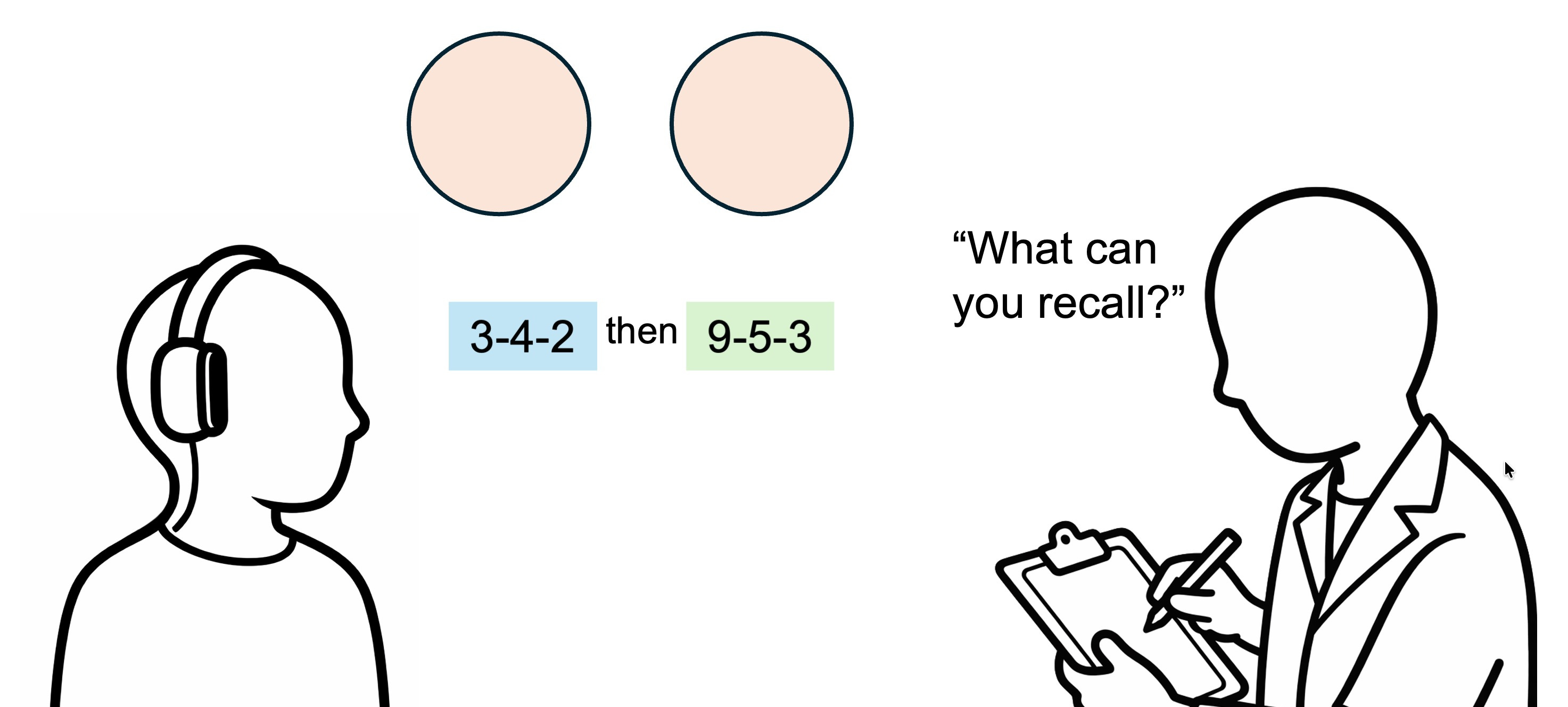
Time after time, subjects recalled the digits as two distinct groups. They focused on one ear, remembered the digits, and then focused on the other ear. This was compelling proof that the mind can only focus on one channel at a time.
Big idea: The mind has a built-in bottleneck. Only signals from one channel can go through at a time. Everything else fades away.
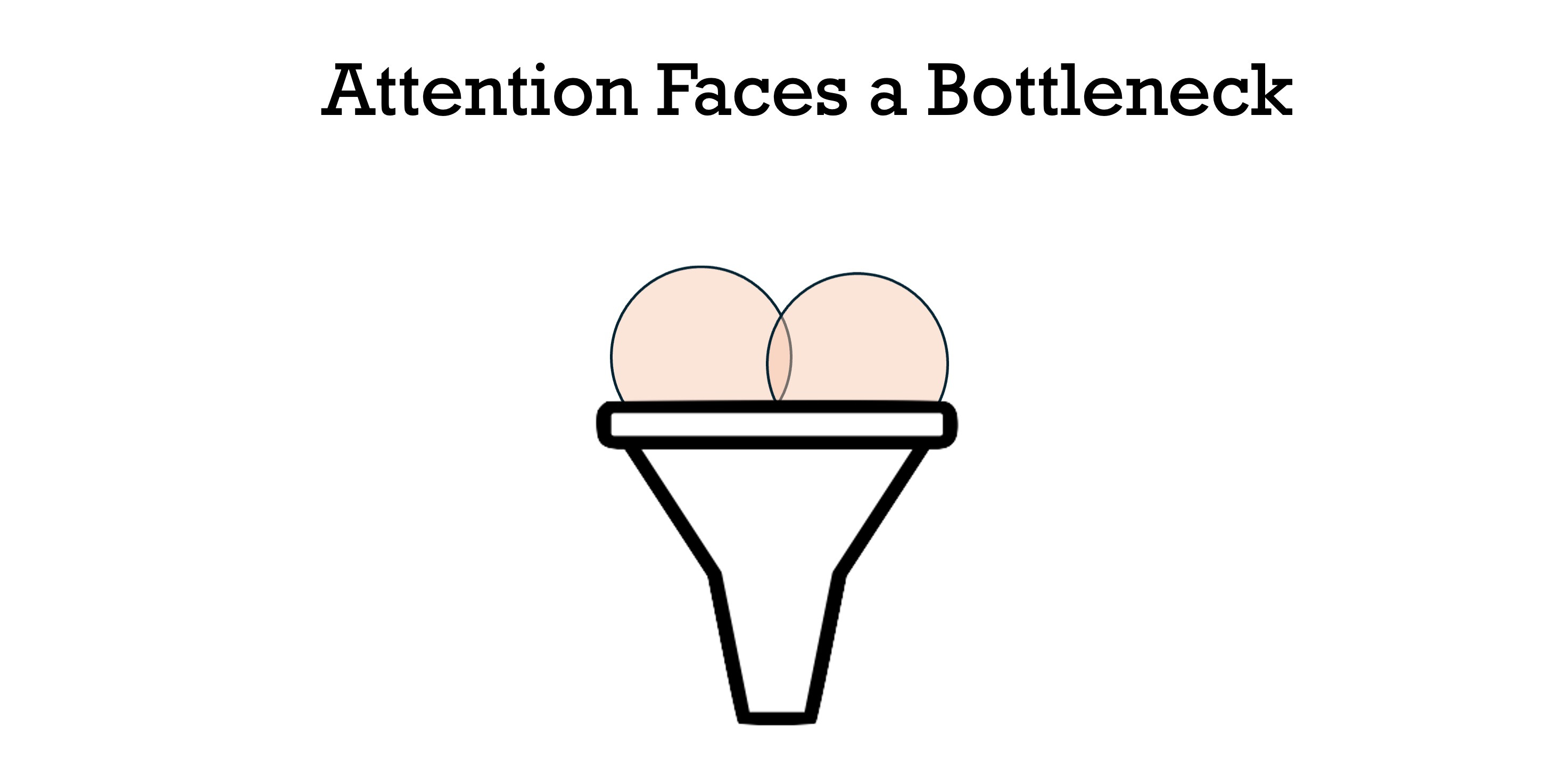
This was an early version of cognitive science. Broadbent’s work showed that the invisible mechanisms of the mind could be measured and observed. His work was later improved upon, but the big ideas remain.
Mind as a Filter
Broadbent figured there must be some logic behind how the mind manages attention. When we look around a room, we automatically tune into some things and not others. Why? What earns our attention first?
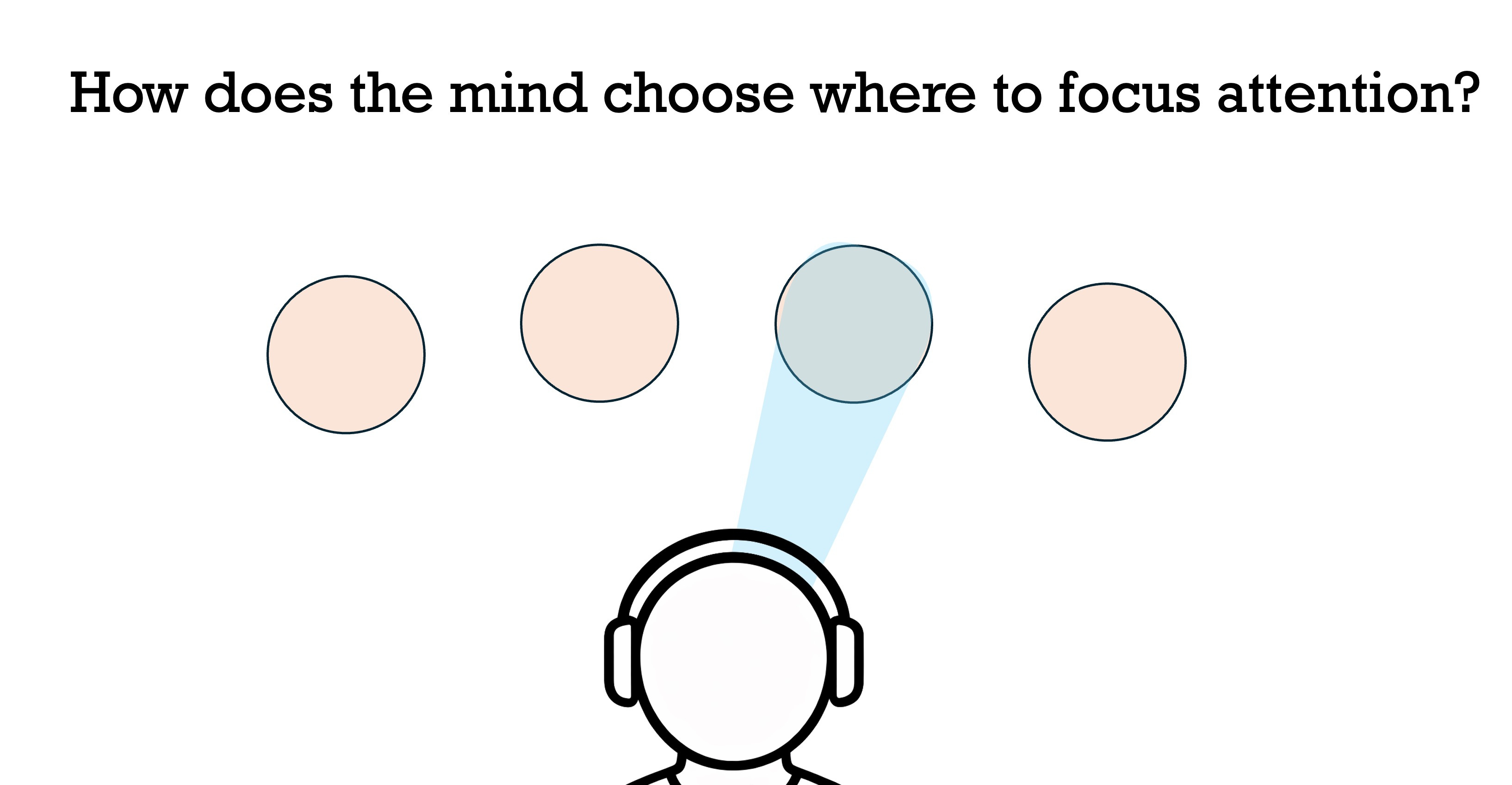
In Broadbent’s experiments, he changed the physical characteristics of the sounds in one ear and not the other. For example, one ear may hear digits at a higher volume or at a location farther away. This helped him establish a new idea: attention processes physical characteristics first. The closest, loudest signals earned attention.
Big Idea: The mind filters information as it arrives. Before we know anything about the meaning of the information, our minds assess the physical characteristics and choose what has the best signal strength.
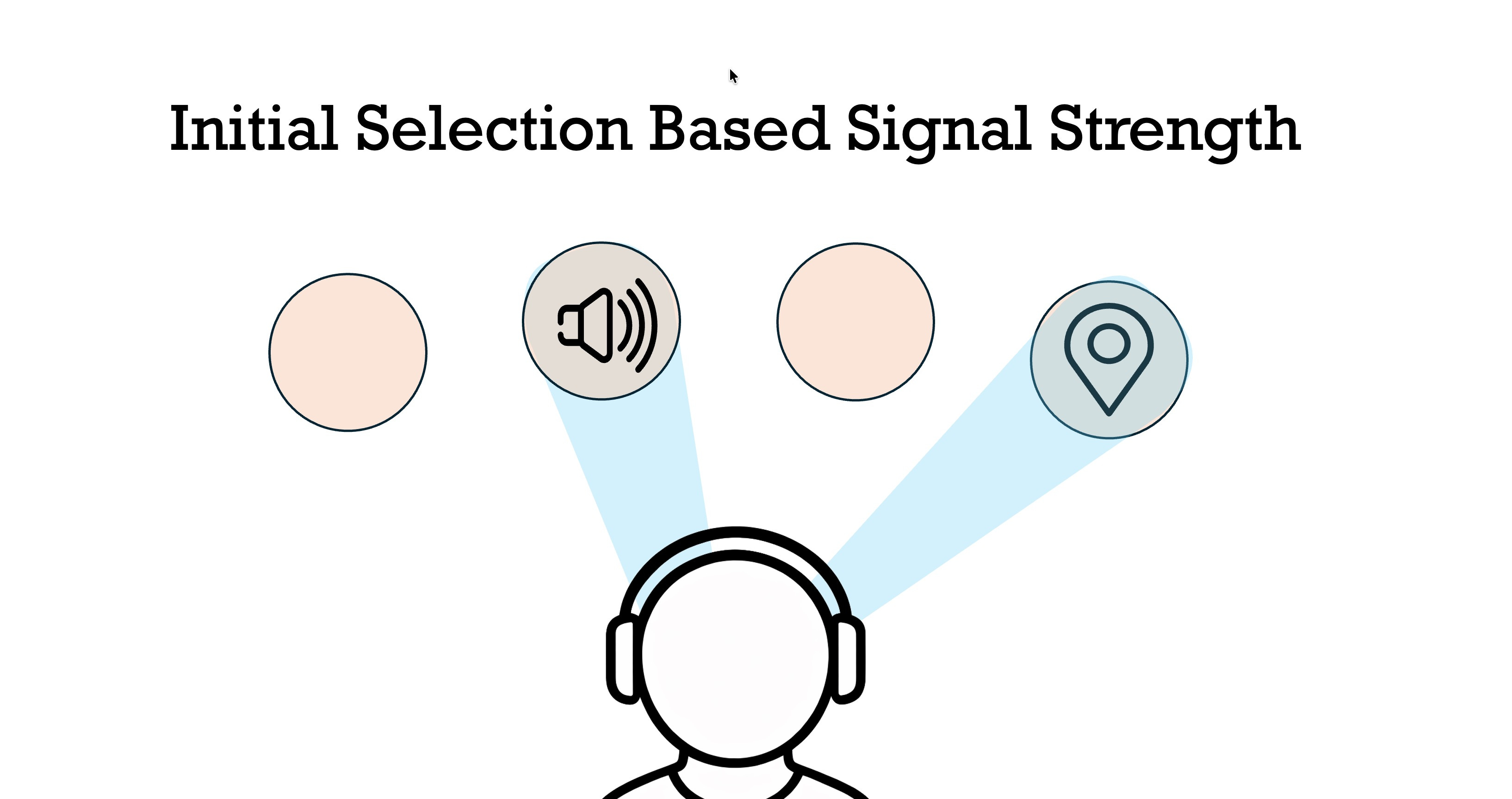
This is known as selective attention, and it’s now part of the foundation of cognitive science.
Olivia’s Experience
As Olivia sat in the exam room, her mind was at work in the background. Since she could only pay attention to one thing at a time, it automatically filtered her experience based on what was closest, clearest, loudest, etc. She noticed the baby crying next door.
When the doctor arrived, Olivia’s mind switched to a different mode of attention. Despite everything else happening around her, she focused on each piece of advice. and attempted to remember everything: treadmill, salt, fiber, weight.
Despite her best efforts, two weeks later, only one idea remained: eat more fiber. It had a strong signal strength, earned her attention, and started the journey through the gauntlet.
Lessons for Explainers:
Attention is required. Earn it as quickly as you can.
Processing happens one channel at a time. Make sure your channel is the only one.
Signal strength matters. Be clear, visible, and easy to hear.
The Next Question
Why did fiber make it through? What was it about that information that allowed it to survive while other advice didn’t? Next week, we’ll meet the woman who built on the work of Broadbent, improved his experiment design, and contributed to the foundations of cognitive science.
If You Enjoyed This Post
Please consider hitting the ♡ button below (it helps others find it)
I’d love to hear from you. Consider leaving a comment.
Great video. I look forward to your future posts.
Great video- thanks for taking time to funnel my attention through visuals- always my preferred gateway!
I'm leaving here pondering on why we would possibly believe we can efficiently muti-task...?!